Navigating Cancer: A Comprehensive Guide to Wellness, Support, and Innovative Treatments
In the challenging journey of cancer care, the emphasis on wellness is more crucial than ever. It's not just about fighting the malignancy; it's about embracing a holistic approach that nurtures the body and mind in tandem. Imagine navigating the complex world of healthcare and oncology, only to realize that well-being can indeed be woven into your treatment strategy. The question remains: How do we cultivate this sense of holistic health while grappling with illness and its aftermath?
To kickstart this journey, let’s delve into nutrition therapy. What we put into our bodies can profoundly affect both our physical well-being and emotional state. A balanced diet rich in vitamins, minerals, and antioxidants can fuel our body, giving us strength to fight against tumors. Statistics suggest that individuals who adopt a nutritious lifestyle often report better recovery rates and enhanced overall health. As the saying goes, "You are what you eat," so let’s transform our plates into powerful allies against cancer.
But nutrition is just one piece of the cancer care puzzle. Symptom management also plays a pivotal role in enhancing the quality of life for those undergoing therapy. Consider this: Have you ever wished for ways to soothe the side effects of treatment? Integrating alternative therapies such as acupuncture or meditation can help alleviate anxiety and pain, providing a comfort that traditional medicine may not fully address. By embracing community support, individuals can discover techniques that resonate with their unique experiences and offer profound relief.
Research studies are constantly evolving in the field of oncology, opening doors to innovative treatments like immunotherapy and personalized medicine. For cancer warriors, staying informed armed with health information is key. Clinical trials present an opportunity not only for hope but for active participation in the fight against this illness. The heartening truth is that being a part of a clinical trial can offer access to cutting-edge resources while contributing to patient advocacy and cancer awareness. Are you ready to seize this chance to empower yourself?
Lastly, don’t underestimate the power of social connection. Support groups serve as an incredible resource for those battling cancer. They foster a sense of belonging, providing a platform for sharing experiences, wisdom, and encouragement. Navigating cancer can feel isolating, but connecting with others who understand your journey can minimize feelings of loneliness. How will you choose to build your community amidst this fight? Remember, embracing wellness and seeking support transforms the experience of living with cancer into an empowered journey toward recovery, resilience, and hope.
Your Path to Recovery: Innovative Treatments and Support Systems
Navigating the multifaceted journey of recovery from cancer can be both daunting and overwhelming. As you stand at the crossroads of illness and healing, it's essential to recognize that each step you take toward recovery is supported by innovative treatments and robust support systems. Imagine your path to wellness as a vibrant tapestry, woven together with threads of oncology insights, nutritional therapy, community support, and the latest research studies. Each element plays an equal role in crafting a narrative of resilience and empowerment, proving that even in the darkest times, there is a guiding light.
Innovative treatments are constantly changing the landscape of cancer care, opening doors to possibilities that were once deemed impossible. Have you heard of immunotherapy? This groundbreaking approach unleashes your body’s own immune system to fight tumor cells, effectively transforming how we view malignancy. It’s a reminder that even the most aggressive illnesses can be tackled with intelligent strategic therapies. Combining traditional methods with alternative therapies is not just a trend; it’s a powerful opportunity for personalized care. As you dive deeper into the world of cancer treatment, remember – the choices you make today will play a critical role in your long-term well-being.
Support is not just necessary; it can be the cornerstone of a fruitful recovery. Engaging in support groups brings an understanding that you are not alone. Sharing your journey with others who understand the emotional and physical toll of cancer can be healing in itself. Here, you find validation of your struggles and the encouragement to face each day with renewed strength. Couple this with proactive patient advocacy, where you empower yourself through health information and make informed decisions about your therapy choices, and you begin to take control of your recovery narrative.
The power of lifestyle changes should not be overlooked in your cancer journey. Nutrition therapy is vital—not just for managing symptoms but also for bolstering your immune system and enhancing your overall quality of life. Have you considered how what you eat can lift your spirit and energy levels? Little adjustments in your daily routine, like incorporating more whole foods into your diet or exploring preventive care practices like yoga or meditation, can have significant impacts on your physical and emotional health.
As you embrace the path to recovery, remember that this journey is uniquely yours. Lean on community support of loved ones and professionals who provide guidance and encouragement. Engage with ongoing clinical trials and research studies that might be exploring novel treatment options tailored for your needs. Your experience matters; your story could inspire hope in someone else, reminding us that in the fight against illness, recovery is possible, and there are endless paths to achieve holistic health. So take that first step with confidence, knowing that you are not just a patient; you are a warrior on a journey of innovation and strength.
Building a Community: Navigating Cancer with Advocacy and Lifestyle Choices
When faced with a diagnosis such as malignancy, the journey into the world of oncology can feel like stepping into a storm. Emotions swirl, fear rises, and the question of 'what now?' lingers heavily in the air. Yet, amidst this whirlwind, one factor shines through: the power of community. Connecting with others who are navigating similar experiences can not only enhance your well-being but also provide invaluable insights about lifestyle choices that can help in symptom management, nutritional therapy, and patient advocacy. It's essential to remember you’re not alone; many have walked this path and are ready to share their strength.
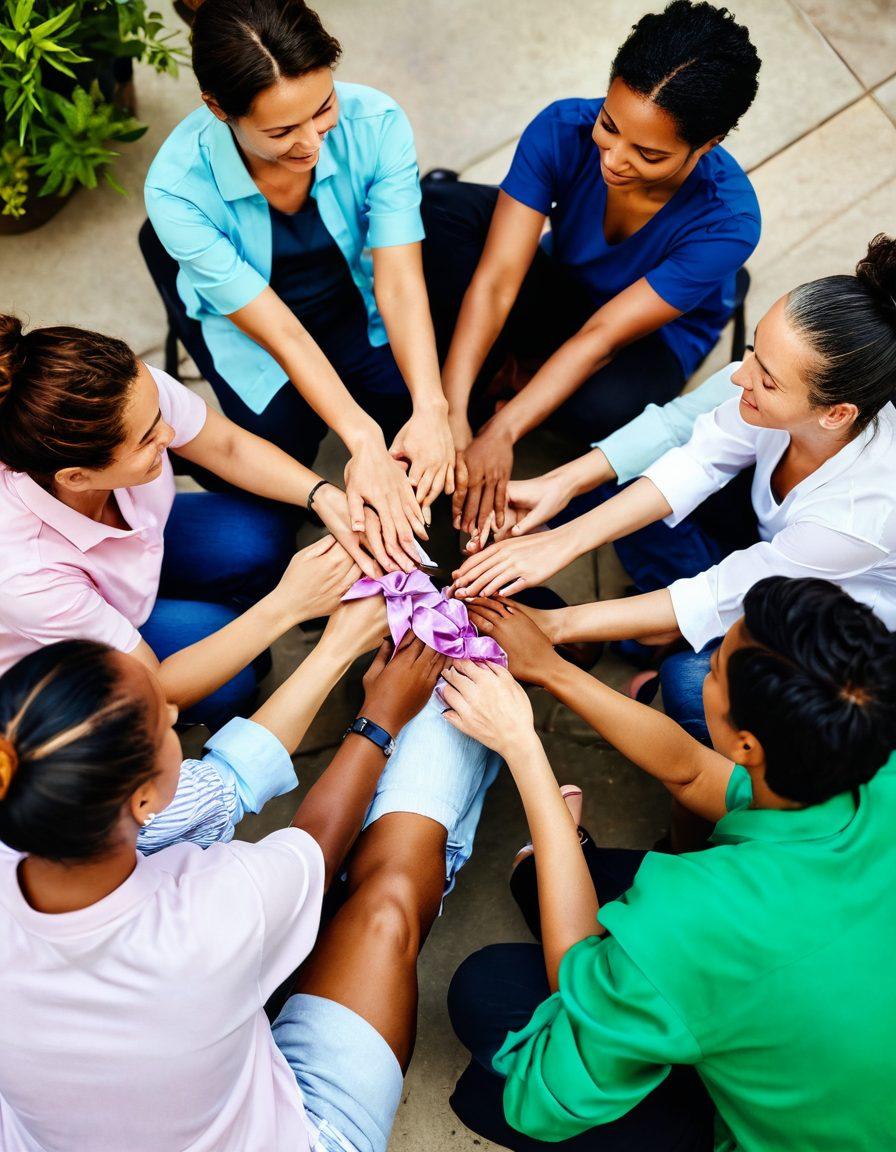
Imagine sitting in a cozy circle, surrounded by individuals who understand what you're going through. Support groups offer the perfect setting to share stories, laughter, and tears, turning the daunting process of illness into a journey filled with hope. As you engage in conversations about local healthcare services, innovative therapies like immunotherapy or alternative therapies might come up, potentially paving the way for research studies that could lead to your next step. It begs the question: how can we support one another through our shared struggles while advocating for better cancer awareness in our communities?
Building a community around cancer advocacy goes beyond personal experiences; it's about creating a network that empowers every individual. Have you ever thought about the impact of sharing health information? Whether it’s organizing a local fundraising event or a simple coffee catch-up where you discuss preventive care strategies, every little bit counts. From clinical trials to holistic health approaches, the knowledge we share within our community can inspire others to seek the therapies that best suit their needs, ultimately carving out a path toward a more informed and resilient future.
Moreover, engaging with your community can be an avenue for healing. Research has shown that those actively involved in support groups often experience enhanced emotional health and lessened feelings of isolation. The very act of sharing experiences—be it struggles with a tumor diagnosis or triumphs over treatment—can foster connections that transcend the illness itself. Have you explored what kind of lifestyle changes you could implement based on collective wisdom? Maybe embracing nutrition therapy or leaning into mindfulness practices could enhance your overall quality of life during treatment.
As we navigate through cancer together, let's commit to building a compassionate community where no one feels left behind. From advocating for better healthcare solutions to making informed lifestyle choices, we can collectively impact the way we face this illness. So, why not start by reaching out? Join a local support group, contribute to a health information blog, or simply share your journey online. Remember, the strength found in a supportive community is a vital tool in combating this battle, and it is one that could very well change your life—or someone else's.